The Stroud Extension Gets Complicated
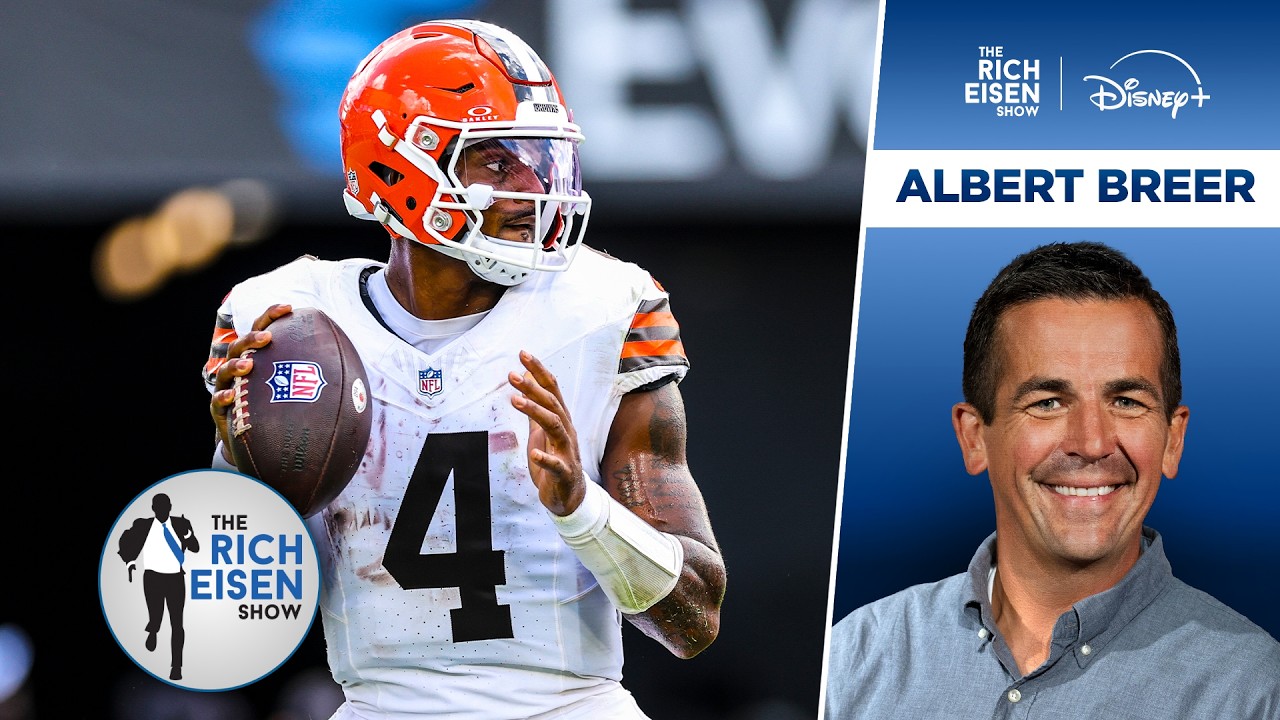
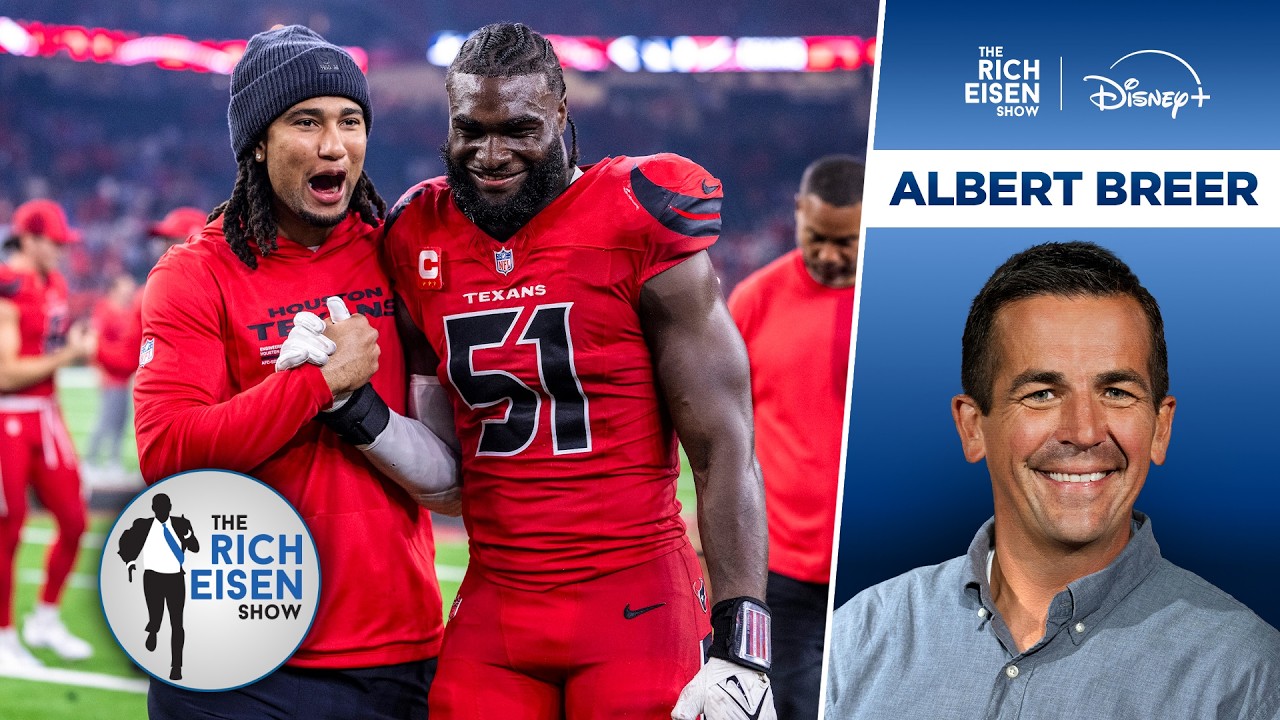
Rich opens by framing the question. Will Anderson and CJ Stroud both have fifth-year options that are formalities. The harder question is whether Stroud, who was drafted second overall, won offensive rookie of the year, made the playoffs in three straight seasons, and won a playoff game in each of them, should be getting an extension now. Albert Breer has a nuanced read.
Breer thinks Houston explores it after the draft, but he does not know what direction the Texans will lean. The franchise's real question is how many escape hatches they want. Do they seek out a discount deal, citing Stroud's softer finish to last season? That question lives separately from the Will Anderson conversation, which is simpler in structure. Breer's line is that the Texans are just hoping it does not hurt too badly when they write that first Anderson check. He thinks Anderson can ask for 50 million now and has a real chance to become the first non-quarterback to cross the five-million-per-year line with a five in front of it.
That Anderson number complicates the Stroud math. When Stroud sees Anderson land, Breer argues, the guarantee structure on the Anderson deal becomes the floor for how Stroud's camp frames their own negotiation. Quarterback numbers are bigger in raw terms, but the guarantee mechanics bleed across position.
Breer's best guess is Bryce Young plays into year four of his rookie deal while negotiating. Stroud likely does the same. The broader escalation pattern is wild. Dak Prescott signed at 60 million per year 19 months ago. Breer thinks next offseason brings Drake Maye, Caleb Williams, and Jayden Daniels into the 70-million-per-year conversation.
Rich pivots to Tua Tagovailoa and Kyler Murray. Two franchises that handed second contracts to quarterbacks now playing for league minimums elsewhere. Rich wants to know which team is willing to let a Stroud-level quarterback walk, reset to the rookie pool, and build again the way Kansas City did with their cornerbacks.
Breer has done the math on the veteran reclamation market. Seattle is paying Sam Darnold roughly half of what Tua and Kyler are taking home. Tampa is paying Baker Mayfield at 33 million per year, also about half of Dak. Even Daniel Jones's 88 million over two years sits below 75 percent of the top of the market. That changes the risk calculus. The old formula, draft one high, extend him at the top of the market three years later, depended on the fear of what waited behind door number two. Teams are now finding starters through reclamation projects. Baker at 33 or Tua at 55 is not a real debate anymore. That shift, Breer argues, gives Houston cover to let another year play out.
Watch the full interview with Albert Breer on The Rich Eisen Show, streaming live on Disney+ weekdays Noon-3PM ET.
Adapted from the original segment on The Rich Eisen Show. How we cover the show.